Evelac

Resultados del Proyecto BIA2015-68449

Proyecto BIA2015-68449 “Propuesta de evaluación de la humedad que asciende por capilaridad en los muros de fábrica del patrimonio histórico mediante ensayos no destructivos”  financiado por el Ministerio de Economía y Competitividad de España y the European Regional Development Fund (ERDF)  (MINECO / FEDER, EU)

Artículo

Cabeza-Prieto A, Camino-Olea MS, Sáez-Pérez MP, Llorente-Álvarez A, Ramos Gavilán AB, Rodríguez-Esteban MA. Comparative Analysis of the Thermal Conductivity of Handmade and Mechanical Bricks Used in the Cultural Heritage. Materials. 2022; 15(11):4001. 

https://uvadoc.uva.es/handle/10324/63336
https://doi.org/10.3390/ma15114001

Llorente-Alvarez, A., Camino-Olea, M. S., Cabeza-Prieto, A., Saez-Perez, M. P., & Rodríguez-Esteban, M. A. (2022). The thermal conductivity of the masonry of handmade brick Cultural Heritage with respect to density and humidity. Journal of Cultural Heritage, 53, 212-219.

https://uvadoc.uva.es/handle/10324/51666
https://doi.org/10.1016/j.culher.2021.12.004

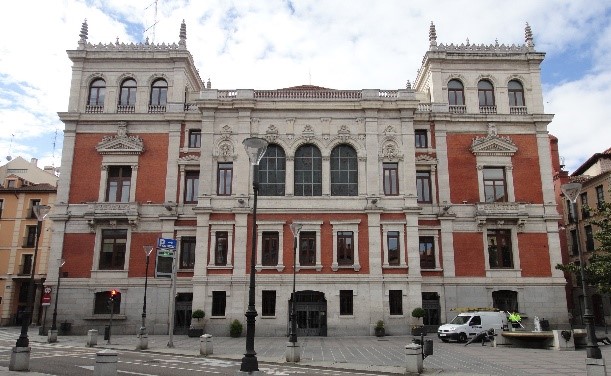
Cabeza-Prieto, A., Camino-Olea, M. S., Rodríguez-Esteban, M. A., Llorente-Álvarez, A., & Pérez, M. P. S. (2020). Moisture influence on the thermal operation of the late 19th century brick facade, in a historic building in the city of Zamora. Energies, 13(6), 1307.

http://uvadoc.uva.es/handle/10324/40692
https://doi.org/10.3390/en13061307

Capítulo de libro

Sáez-Pérez, M. P., Camino-Olea, M. S., & Rodríguez-Esteban, M. A. (2023). Thermal Conductivity Analysis in Brick Walls Located in the Cultural Heritage Buildings. In Building Engineering Facing the Challenges of the 21st Century: Holistic Study from the Perspectives of Materials, Construction, Energy and Sustainability (pp. 347-371). Singapore: Springer Nature Singapore.

https://uvadoc.uva.es/handle/10324/65671
https://doi.org/10.1007/978-981-99-2714-2_20

Rodríguez Esteban, M. A., Camino Olea, M. S., Sáez Pérez, M. P., Llorente Álvarez, A., & Cabeza Prieto, A. (2022). La tejería mecánica “San Antonio” en El Perdigón (Zamora) y la producción latericia aplicada en las fachadas de los edificios de Zamora de principios del siglo XX. Anuario 2022 Instituto de Estudios Zamoranos Florián de Ocampo, 37, 311-338.

https://uvadoc.uva.es/handle/10324/67793
https://iezfloriandeocampo.com/anuario/

Participación en congresos

Camino-Olea, M. S., Cabeza-Prieto, A., Llorente-Alvarez, A., Saez-Perez, M. P., & Rodriguez-Esteban, M. A. (2019, February). Brick Walls of Buildings of the Historical Heritage. Comparative Analysis of the Thermal Conductivity in Dry and Saturated State. In IOP Conference Series: Materials Science and Engineering (Vol. 471, No. 8, p. 082059). IOP Publishing.

http://uvadoc.uva.es/handle/10324/40100
https://doi.org/10.3390/en13061307

Rodríguez-Esteban, M. A., Camino-Olea, M. S., Llorente-Álvarez, A., Cabeza-Prieto, A., & Sáez-Pérez, M. P. (2021, November). Brick of the historical heritage: comparative analysis of the thermal conductivity, density and moisture. In IOP conference series: materials science and engineering (Vol. 1203, No. 3, p. 032042). IOP Publishing.
Resultados del Proyecto PID2022-139363NB-I00

Participación en congresos


Rodríguez-Esteban, M. A., Camino-Olea, M.S., Sáez Pérez, M.P., Ramón-Cueto, G., Bellido-Pla, R., (2025). “Assessment of the risk of surface condensation on cultural heritage mechanical brick facades: the importance of surface temperature measurement. The case of a historic building in Valladolid.”. Editado por: Ángel Castillo Talavera, José Luis García Calvo, Enio J. Pazini Figueiredo y Pedro Castro Borges (Eds.), Memorias del XVIII Congreso Iberoamericano de Patología de la Construcción y XX Congreso de Control de Calidad en la Construcción, CONPAT 2025. Madrid, España, (pp. 616-627). DOI: https://doi.org/10.21041/CONPAT2025/V2PC23


Abstract

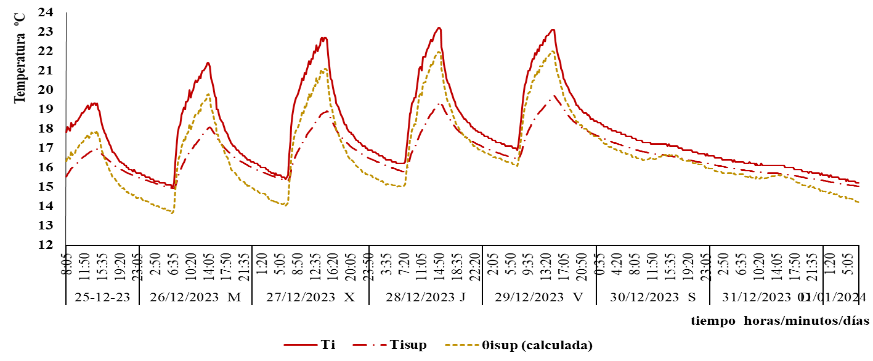
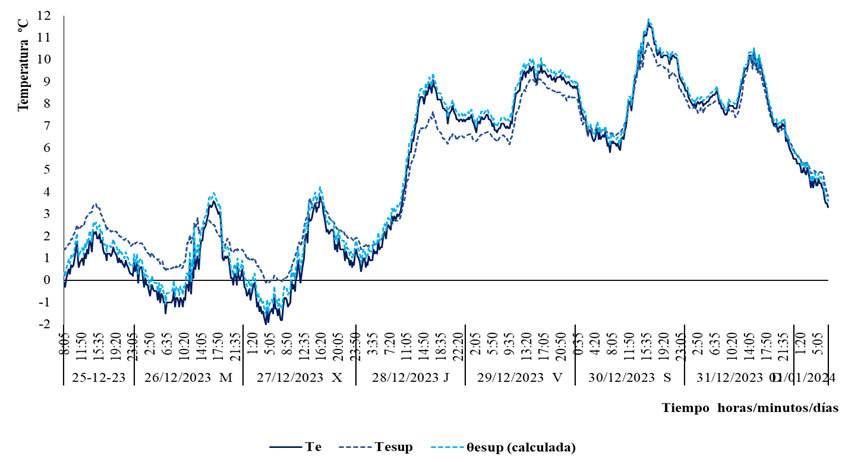
The assessment of the risk of surface condensation on the walls of Cultural Heritage buildings is crucial, since it has been identified that the analytical method used for new buildings can generate errors in these properties. The objective of this research is therefore focused on comparing the differences in surface temperatures between those calculated by the analytical method and those obtained by the in situ measurement. For its determination, the ambient and surface temperatures of the facade of a historic building have been measured, and heat flow tests have been carried out to estimate the conductivity of the walls. By contrasting the results obtained with the data calculated from the analytical system, it is concluded that this method is not entirely valid for this type of building.


Keywords

brick; cultural heritage; surface condensation; moisture; thermal flow test.

ARTÍCULOS
PUBLICADOS

CAPÍTULOS
DE LIBRO

PARTICIPACIÓN EN CONGRESOS

Resumen del Proyecto EVELAC

Proyecto EVELAC En las dos últimas décadas, desde la publicación de la Directiva Europea 2002/91/Ce hasta la Directiva (UE) 2018/844, relativas a la eficiencia energética, se han ido sucediendo una serie deacontecimientos que han hecho que la exigencia en las prestaciones térmicas de la envolvente de los edificios se fuera

Read More »

Comparative Analysis of the Thermal Conductivity ofHandmade and Mechanical Bricks Used in the Cultural Heritage. Materials. 2022;

Comparative Analysis of the Thermal Conductivity ofHandmade and Mechanical Bricks Used in the Cultural Heritage. Materials. 2022; Comparative Analysis of the Thermal Conductivity of Handmade and Mechanical Bricks Used in the Cultural Heritage. Materials. Cabeza-Prieto A, Camino-Olea MS, Sáez-Pérez MP, Llorente-Álvarez A, Ramos Gavilán AB, Rodríguez-Esteban MA. Comparative Analysis of the Thermal

Read More »

Thermal Conductivity Analysis in Brick Walls Located in the Cultural Heritage Buildings. In Building Engineering Facing the Challenges of the 21st Century: Holistic Study from the Perspectives of Materials, Construction, Energy and Sustainability

Thermal Conductivity Analysis in Brick Walls Located in the Cultural Heritage Buildings. In Building Engineering Facing the Challenges of the 21st Century: Holistic Study from the Perspectives of Materials, Construction, Energy and Sustainability (pp. 347-371). Sáez-Pérez, M. P., Camino-Olea, M. S., & Rodríguez-Esteban, M. A. (2023). Thermal Conductivity Analysis in Brick Walls

Read More »

Thermal Conductivity Analysis in Brick Walls Located in the Cultural Heritage Buildings. In Building Engineering Facing the Challenges of the 21st Century: Holistic Study from the Perspectives of Materials, Construction, Energy and Sustainability (pp.

Moisture influence on the thermal operation of the late 19th century brick facade, in a historic building in the city of Zamora. Cabeza-Prieto, A., Camino-Olea, M. S., Rodríguez-Esteban, M. A., Llorente-Álvarez, A., & Pérez, M. P. S. (2020). Moisture influence on the thermal operation of the late 19thcentury brick facade,

Read More »

La tejería mecánica “San Antonio” en El Perdigón (Zamora) y la producción latericia aplicada en las fachadas de los edificios de Zamora de principios del siglo XX. Anuario

La tejería mecánica “San Antonio” en El Perdigón (Zamora) y la producción latericia aplicada en las fachadas de los edificios de Zamora de principios del siglo XX. Anuario 2022 Instituto de Estudios Zamoranos Florián de Ocampo, 37, 311- 338. Rodríguez Esteban, M. A., Camino Olea, M. S., Sáez Pérez, M. P., Llorente

Read More »

Brick Walls of Buildings of the Historical Heritage. Comparative Analysis of the Thermal Conductivity in Dry and Saturated State.

Brick Walls of Buildings of the Historical Heritage. Comparative Analysis of the Thermal Conductivity in Dry and Saturated State. In IOP Conference Series: Materials Science and Engineering (Vol. 471, No. 8, p. 082059). IOP Publishing. Camino-Olea, M. S., Cabeza-Prieto, A., Llorente-Alvarez, A., Saez-Perez, M. P., & Rodriguez-Esteban, M. A. (2019, February). Brick

Read More »

Brick of the historical heritage: comparative analysis of the thermal conductivity, density and moisture.

Brick of the historical heritage: comparative analysis of the thermal conductivity, density and moisture. In IOP conference series: materials science and engineering (Vol. 1203, No. 3, p. 032042). IOP Publishing. Rodríguez-Esteban, M. A., Camino-Olea, M. S., Llorente-Álvarez, A., Cabeza-Prieto, A., & Sáez-Pérez, M. P. (2021, November). Brick of the historical heritage: comparativeanalysis
Read More »

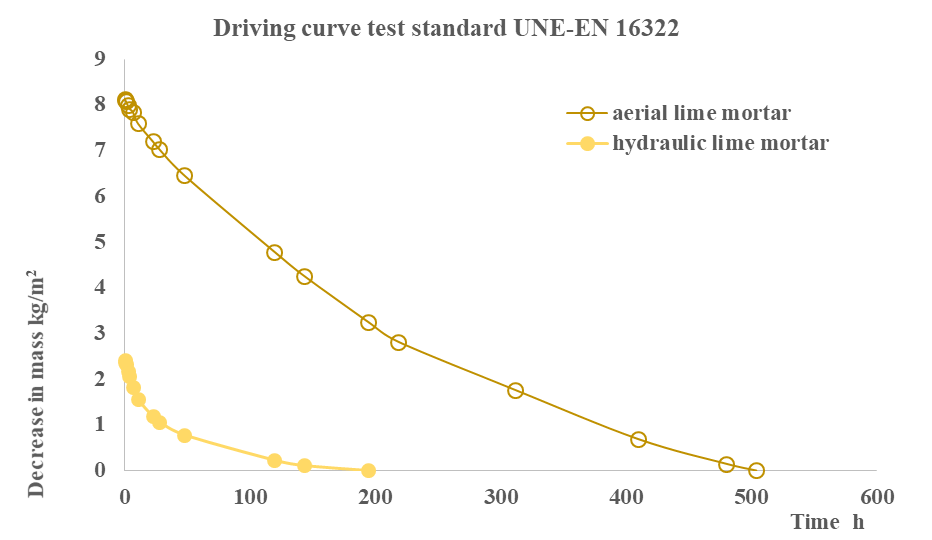
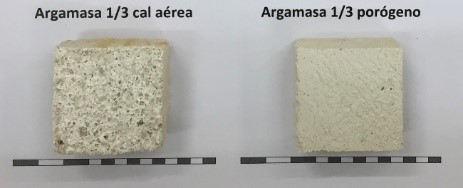
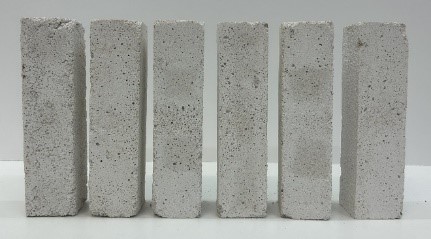
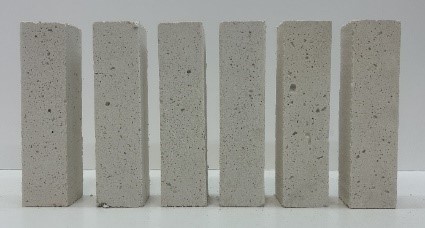
Camino-Olea, M. S., Sáez Pérez, M.P., Rodríguez-Esteban, M. A., Llorente-Álvarez, A., Cabeza-Prieto, A. (2025). “Experimental study of air lime and hydraulic lime mortar coatings with additives for capillary moisture control in historic buildings.” Editado por: Ángel Castillo Talavera, José Luis García Calvo, Enio J. Pazini Figueiredo y Pedro Castro Borges (Eds.), Memorias del XVIII Congreso Iberoamericano de Patología de la Construcción y XX Congreso de Control de Calidad en la Construcción, CONPAT 2025. Madrid, España, (pp. 1050-1059). DOI: https://doi.org/10.21041/CONPAT2025/V3RC25

Abstract

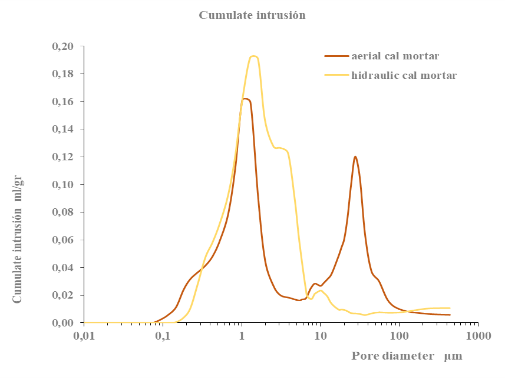
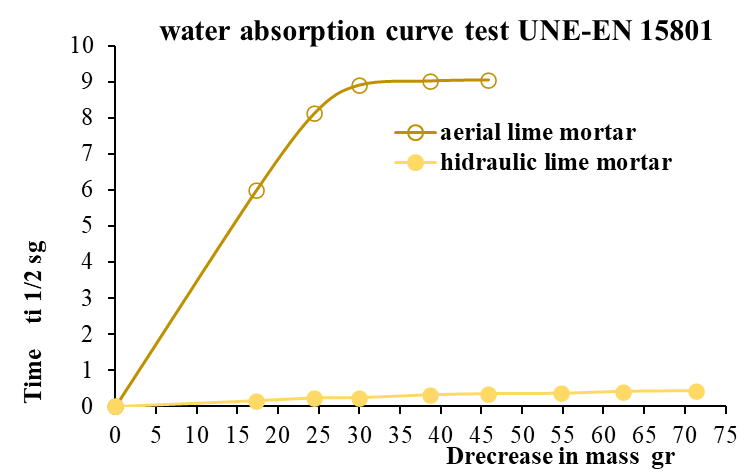
One of the most common issues in brick masonry walls of Cultural Heritage buildings is the deterioration caused by rising damp through capillarity. Traditionally, these walls have been coated with air lime mortar, but hydraulic lime mortar with additives is now being used to improve drying in cases of capillary moisture. This experimental study aims to identify the behavioural differences between air lime and hydraulic lime coatings with additives in terms of moisture absorption and drying. Tests were conducted on brick and mortar samples coated with both types of mortar. The results showed that the samples treated with hydraulic lime with additives absorbed less water and presented a better visual appearance than those coated with air lime, despite having similar water content. This study contributes to selecting more effective materials for the preservation of historic buildings affected by capillary moisture, improving their durability and aesthetic.

Keywords

brick; Cultural Heritage; rising damp; render; rehabilitation

Graphic Abstract